Buying a used car can save you a lot of money, but only if you know what to look for before handing over your cash. A vehicle may look clean on the surface and still have hidden problems underneath, from accident damage and worn tyres to engine issues and paperwork concerns. That is why carrying out a proper car inspection before buying is one of the most important steps in the whole process.
In this UK guide, we will walk you through a complete car inspection checklist so you know exactly what to check before buying a used car. Whether you are buying privately or from a dealer, this checklist can help you avoid expensive mistakes and make a more confident decision.
Why a Used Car Inspection Matters
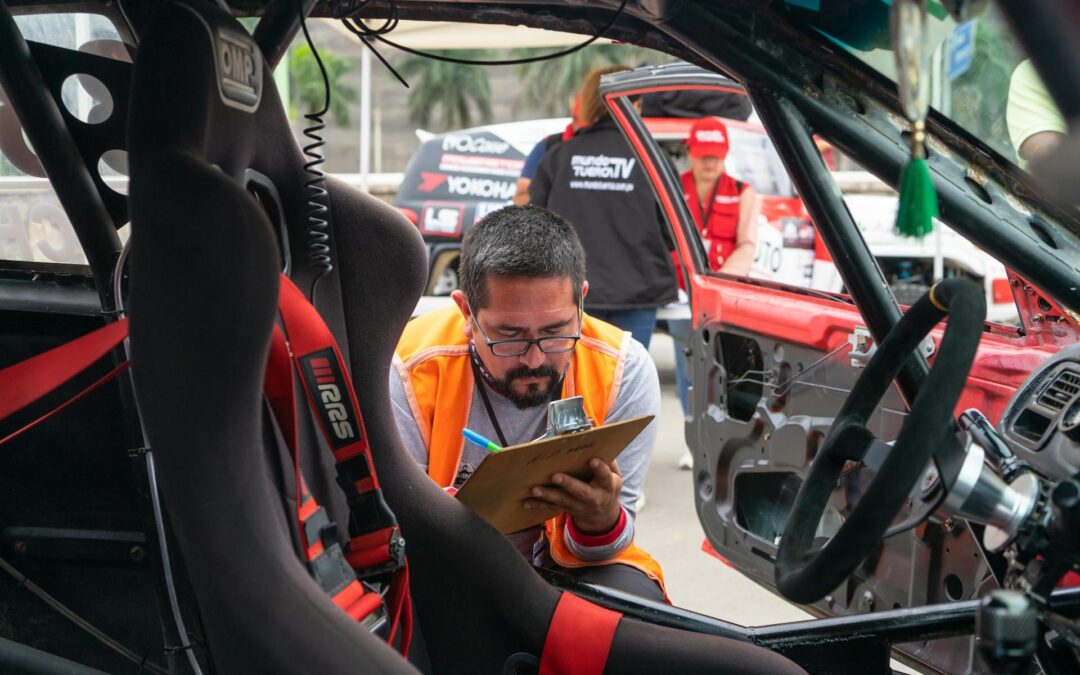
A used car inspection helps you identify mechanical faults, cosmetic damage, poor maintenance, and possible safety concerns before you commit to the purchase. It can also give you leverage when negotiating the price or help you walk away from a bad deal altogether.
Many buyers focus only on mileage, price, and appearance. In reality, the condition of the vehicle, the service history, and signs of past neglect are often much more important.
1. Check the Vehicle Documents First
Before you even begin inspecting the car itself, ask to see the paperwork.
Make sure you check:
- The V5C logbook
- MOT history
- Service history
- Any invoices or receipts for repairs and maintenance
- The VIN number on the vehicle matches the paperwork
- Registration details are correct
If the seller cannot provide clear documentation, treat that as a warning sign. Missing paperwork does not always mean something is wrong, but it definitely increases the risk.
2. Inspect the Exterior Carefully
Walk around the vehicle slowly and inspect it from every angle. Do not rush this part.
Look out for:
- Scratches, dents, and scuffs
- Rust, especially around wheel arches, sills, and door edges
- Mismatched paint, which may suggest previous repairs
- Uneven panel gaps
- Cracks or chips in the windscreen
- Damaged mirrors or lights
- Signs of poor repair work after an accident
Try to inspect the car in daylight rather than in the dark or rain. Poor lighting can hide defects.
3. Check the Tyres and Wheels
Tyres can tell you a lot about how the car has been looked after.
Inspect:
- Tread depth across all tyres
- Uneven wear patterns
- Cuts, cracks, or bulges in the tyre walls
- Matching tyre brands across the vehicle
- Condition of alloy wheels or wheel trims
- Presence of locking wheel nut if applicable
Uneven tyre wear may point to suspension, tracking, or alignment issues. Replacing all four tyres can also add a noticeable cost after purchase.
4. Look Under the Car
If it is safe to do so, take a look underneath the car.
Check for:
- Fluid leaks
- Heavy rust or corrosion
- Damaged undertrays
- Signs of impact damage
- Worn exhaust components
A quick look underneath can reveal issues that are not obvious from above.
5. Inspect the Engine Bay
Open the bonnet and check the general condition of the engine bay.
Look for:
- Oil leaks
- Coolant leaks
- Low fluid levels
- Dirty or contaminated fluids
- Loose components
- Cracked belts or worn hoses
- Signs of poor repair work
A very dirty engine bay is not always a problem, and an overly cleaned engine bay can sometimes hide leaks. Focus on condition, not just appearance.
6. Check the Interior Condition
The inside of the vehicle can tell you how carefully it has been used.
Inspect:
- Seat condition and wear
- Dashboard warning lights
- Steering wheel wear
- Pedal wear
- Carpet condition
- Headlining
- Door cards and trims
- Boot space and spare wheel area
Excessive interior wear on a low mileage car may be a red flag. It is worth comparing the interior condition with the stated mileage.
7. Test the Electronics
Modern used cars often come with a lot of features, and repairs can be costly.
Check that the following work properly:
- Electric windows
- Central locking
- Air conditioning
- Heating
- Infotainment system
- Sat nav if fitted
- Parking sensors or reversing camera
- Interior lights
- Exterior lights
- Wipers and washers
- Horn
Small faults may not stop you buying the vehicle, but they should affect the price.
8. Start the Car from Cold
If possible, inspect the car before the seller has warmed it up. A cold start can reveal issues more clearly.
Watch for:
- Difficulty starting
- Excessive smoke from the exhaust
- Rough idling
- Warning lights staying on
- Unusual engine noises
- Vibrations
A car that only behaves well once it is warm may have hidden problems.
9. Take It for a Proper Test Drive
Never buy a used car without a proper test drive unless you fully accept the risk.
During the drive, pay attention to:
- Clutch bite point
- Gear changes
- Steering response
- Brake performance
- Suspension noises
- Engine power delivery
- Excessive smoke
- Strange noises at different speeds
- Pulling to one side
- Dashboard warning lights
Drive on different road types if possible, including slower roads and faster roads. A short trip around the block is not enough to judge the car properly.
10. Watch for Signs of Accident Damage
Not all accident repairs are disclosed clearly, especially in private sales.
Possible warning signs include:
- Different paint shades across panels
- Overspray on trims or seals
- Crooked bumpers
- Misaligned bonnet or boot
- Different manufacturing dates on windows
- New parts on one side only
Previous damage does not always mean the car is bad, but poor quality repairs should raise concern.
11. Check for Water Damage or Damp
Water ingress can cause electrical faults, mould, and long-term damage.
Look for:
- Damp smells
- Wet carpets
- Condensation inside lights
- Mould in the boot or cabin
- Water marks under mats
- Rust in unusual interior areas
Leaks can come from door seals, sunroofs, blocked drains, or previous flood damage.
12. Review the MOT and Service History Properly
A stamped service book alone is not enough. Look for supporting invoices and consistent maintenance.
Pay attention to:
- Missed services
- Repeated MOT advisories
- Long gaps in maintenance
- Major repairs
- Timing belt changes if applicable
- Brake, tyre, and suspension work
A car with a strong service record is usually a safer bet than one with little or no history.
13. Check Mileage Makes Sense
Mileage should match the car’s age, condition, and paperwork.
Things to consider:
- Is the mileage consistent with MOT records
- Does the wear on seats, pedals, and steering wheel match it
- Are service intervals logical
- Does the seller’s story make sense
Suspicious mileage should always be investigated further.
14. Do Not Ignore Small Warning Signs
A lot of buyers talk themselves into ignoring problems because they like the car. That is often where expensive mistakes begin.
Be cautious if:
- The seller avoids questions
- The paperwork is incomplete
- The vehicle feels poorly maintained
- Warning lights are present
- There are multiple small issues adding up
- The price seems too good to be true
A cheap used car can quickly become expensive if major faults appear after purchase.
Should You Get a Professional Vehicle Inspection?
Yes, especially if you are buying a higher value used car, buying from a private seller, or simply want peace of mind. A professional inspection can help identify hidden issues that many buyers would miss.
An independent inspection gives you a clearer picture of the vehicle’s condition before you commit. It can also be useful for negotiating or deciding whether the car is worth pursuing at all.
Final Thoughts
A proper used car inspection is not about finding a perfect vehicle. It is about understanding what you are buying, what condition it is in, and whether the asking price is fair. Taking the time to inspect the exterior, interior, paperwork, tyres, engine bay, and road performance can save you from serious headaches later.
If you want extra confidence before buying, getting a professional inspection is one of the smartest decisions you can make.
Need a Pre-Purchase Car Inspection?
At RevXpress, we help buyers make informed decisions with professional vehicle inspections before purchase. If you are considering a used car and want an extra layer of reassurance, get in touch with us today and let us help you inspect the vehicle before you buy.