
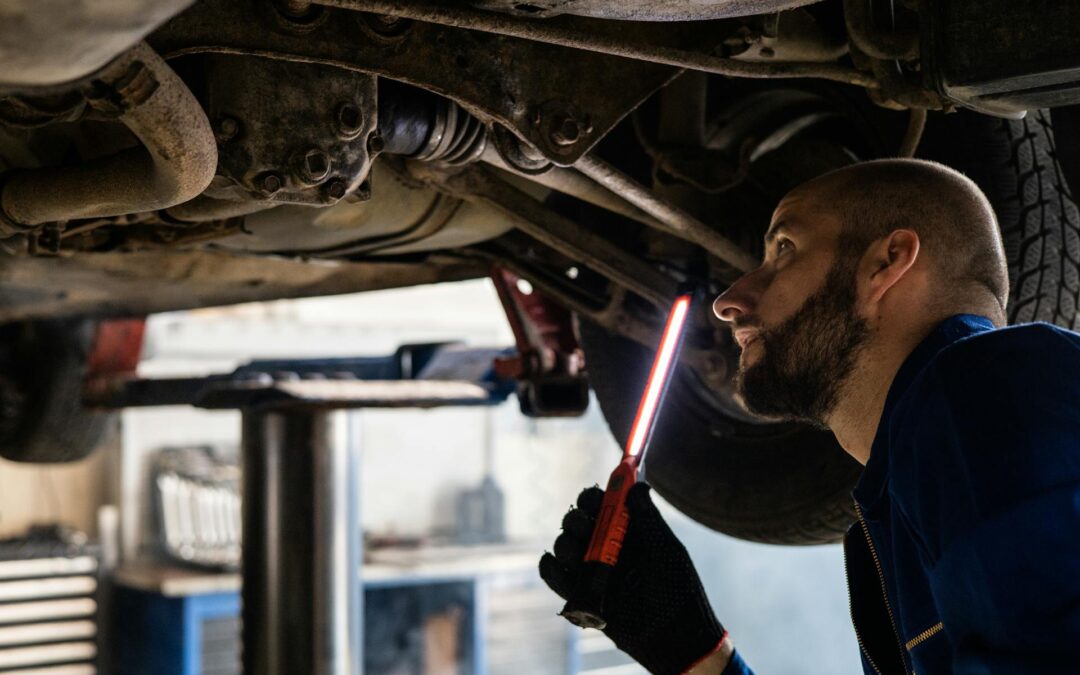
Buying a used car can feel risky, especially if you are not mechanically minded. The good news is that you do not need to be a qualified mechanic to spot many of the common warning signs. With the right approach, you can inspect a used car more confidently, ask better questions, and reduce the chances of buying something with hidden issues.
That said, there is a difference between doing a sensible buyer check and carrying out a full professional inspection. A careful DIY check can help you notice obvious concerns, but a professional inspection can still add another layer of reassurance before you commit.
In this guide, we explain how to check a used car like a professional, even if you are not a mechanic.
Start With the Right Mindset
The biggest mistake many buyers make is turning up already emotionally attached to the car. They like the photos, the price seems good, and they want it to work out. That often leads to warning signs being ignored.
A better approach is to stay neutral and inspect the car properly before making any decision. Think of it as gathering evidence, not looking for reasons to say yes.
1. Check the Paperwork First
Before focusing on the vehicle itself, look at the documents.
Check for:
- V5C logbook
- MOT history
- service history
- repair invoices or receipts
- matching registration details
- VIN consistency where visible
Paperwork can reveal a lot. Missing history, inconsistent mileage records, or vague answers about ownership should make you more cautious.
2. Walk Around the Car Slowly
Do not just glance at the car and assume it looks fine. Walk around it slowly and look at it from different angles.
Pay attention to:
- scratches, dents, and scuffs
- rust around wheel arches, sills, and doors
- mismatched paint
- uneven body panel gaps
- cracked lights or mirrors
- chips or cracks in the windscreen
These details can reveal previous damage, poor repairs, or general neglect.
3. Look at the Tyres Properly
Tyres can tell you a surprising amount about a car’s condition.
Check for:
- enough tread
- uneven wear
- cracks or bulges
- mismatched tyre brands
- damage to wheels
Uneven tyre wear can suggest alignment or suspension problems. Bad tyres also mean more immediate cost after purchase.
4. Inspect the Interior for Wear and Clues
The inside of the car can show how it has really been used.
Look at:
- seat wear
- steering wheel condition
- pedal wear
- dashboard warning lights
- carpets and mats
- boot area
- switches and controls
If a car has very low mileage but the interior looks heavily worn, something may not add up.
5. Test the Basic Features
Even if you are not a mechanic, you can still test whether important features work.
Try:
- electric windows
- mirrors
- central locking
- air conditioning
- heating
- infotainment system
- lights
- wipers
- horn
- parking sensors if fitted
Small faults are still worth noting because they affect both convenience and value.
6. Open the Bonnet and Look for Obvious Issues
You do not need deep technical knowledge to spot a few warning signs under the bonnet.
Look for:
- visible leaks
- very low fluid levels
- cracked hoses
- obvious damage
- signs of poor repair work
- a very dirty or suspiciously over-clean engine bay
You are not trying to diagnose the engine in detail. You are simply looking for clear signs that something may be wrong.
7. Start the Car From Cold if Possible
A cold start can reveal more than a warm engine.
Watch for:
- difficulty starting
- excessive smoke
- rough idling
- unusual noises
- warning lights that stay on
A seller who has already warmed the car up before you arrive may have a good reason, but it is still worth being alert.
8. Listen and Observe During the Test Drive
A short test drive can tell you a lot if you pay attention.
Notice:
- how the clutch feels
- whether gears go in smoothly
- if the steering feels straight
- whether the brakes feel strong and stable
- knocks, rattles, or vibrations
- whether the car pulls to one side
- dashboard lights appearing during the drive
Keep the radio off. You want to hear the car, not music.
9. Watch the Seller as Much as the Car
Sometimes the seller is the red flag.
Be cautious if they:
- rush you
- avoid simple questions
- refuse a proper inspection
- cannot explain paperwork gaps
- become defensive when you point out issues
A genuine seller should not mind reasonable checks.
10. Compare Condition With Price
Do not judge the car in isolation. Compare its condition, mileage, and history with the asking price.
Ask yourself:
- does the condition justify the price
- are there obvious costs coming soon
- does the seller’s story make sense
- would this still feel like a good deal if it needs repairs
A cheap car is not a bargain if it becomes expensive the moment you buy it.
What You Can Check Yourself – And What You Might Miss
A DIY inspection can help you spot a lot:
- visible damage
- tyre wear
- warning lights
- missing paperwork
- poor presentation
- obvious red flags during a test drive
But even a careful buyer can still miss:
- hidden mechanical faults
- underlying suspension issues
- signs of previous poor repair work
- deeper engine problems
- problems that only a trained eye would notice
That is why checking a car yourself is useful, but it should not always be the final step.
Why a Professional Inspection Still Matters
Even if you do a solid DIY check, a professional inspection can give you extra confidence before purchase. It helps uncover issues that are not always obvious externally and gives you a more structured view of the vehicle’s condition.
This is especially valuable when:
- the car is expensive
- you are buying privately
- you are unsure about the condition
- you want an independent opinion
- you do not want to risk costly surprises later
In many cases, the cost of an inspection is small compared with the cost of buying the wrong car.
Final Thoughts
You do not need to be a mechanic to check a used car properly. By taking your time, checking the paperwork, inspecting the bodywork and tyres, testing the features, and paying attention on the test drive, you can spot many of the most common warning signs.
But a buyer check and a professional inspection are not the same thing. Doing your own checks is a smart first step. Booking a professional inspection is the smarter next step when you want more certainty before spending your money.
Want More Confidence Before You Buy?
At RevXpress, we help used car buyers go beyond a basic DIY check with professional vehicle inspections designed to uncover issues that may not be obvious at first glance. If you want extra reassurance before buying, contact us today.